An alternative, not a ban
Children often turn to screens not because they love them but because nothing else is on offer. When an active alternative is ready at home and at weekends, screen time drops by itself.
How much movement?
The World Health Organization’s physical activity guidelines recommend that children and adolescents aged 5–17 do at least an average of 60 minutes a day of moderate-to-vigorous physical activity across the week. It can be built up from short bursts spread through the day.
Small steps at home
A 10-minute dance break after dinner, a race up the stairs, hide-and-seek or skipping on the balcony. Short, fun activities are more likely to become habits.
Play together
Children play for longer when they see their parents in the game. Activities where parents join in, rather than watching from the side on their phones, strengthen both movement and family bonds.
Turning technology into movement
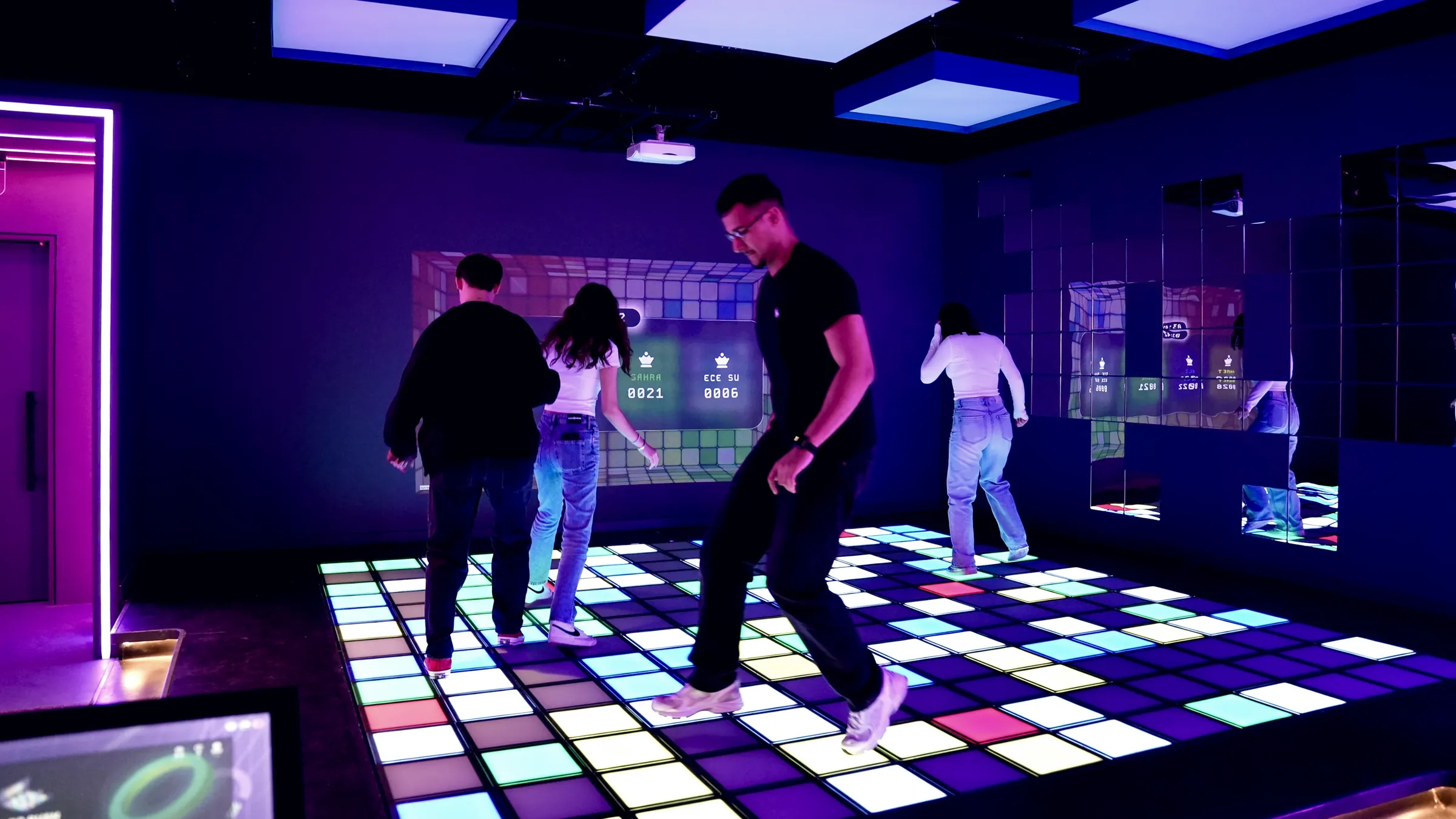
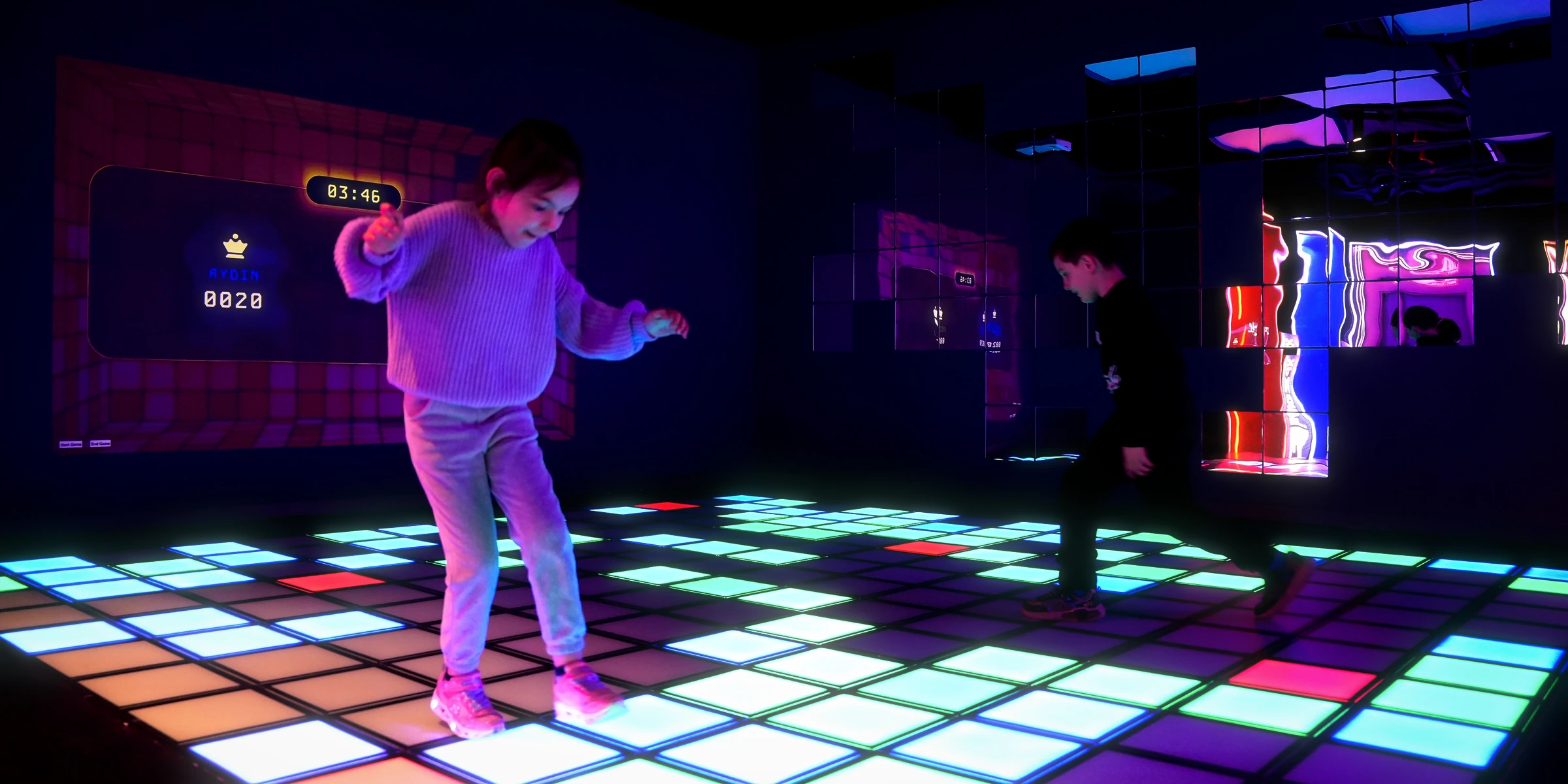
Not all technology keeps children on the sofa. In interactive games played on motion-sensing floors and projection walls, the game moves forward as the child runs, jumps and reaches. The pull of the screen and the movement of the body meet in one experience.
Families at XPZONE
The games at XPZONE cater to ages 7 to 70, so children and parents play in the same game. Games are played without a headset or goggles, with the player’s own movement, and a game lasts 4–5 minutes. You will find our suggested starter games on our families page.
Source: World Health Organization — Guidelines on physical activity (2020)
Related pageXPZONE for familiesFAQ
How much should children move each day?
The World Health Organization recommends at least an average of 60 minutes a day of moderate-to-vigorous physical activity for children aged 5–17.
Can parents play at XPZONE too?
Yes. The games cater to ages 7 to 70; children and parents can play in the same game.